
Analyzing World Cup Expansion Impact
I need to interpret the user's request about changes in the landscape after the World Cup expansion. It seems they might be referring to the FIFA World Cup expanding to 48 teams in 2026, which changes competitive dynamics. This might include analyzing the competitive landscape, qualifying formats, and opportunities for teams. I should create a concise analysis without needing to run any commands, just generating content in structured bullet points with minimal formatting. I'll focus on being both concise and informative!Clarifying World Cup Format Changes
In March 2023, FIFA decided on a format of 12 groups of 4 teams for the 2026 World Cup, changing from the initially proposed 16 groups of 3. This means the top two from each group, plus the eight best third-placed teams, will advance to the Round of 32. Match numbers will rise from 64 to 104, and the tournament duration is set for around 39 to 40 days. I should also mention the new qualifying slots for each confederation!Detailing World Cup Allocation Changes
For the 2026 World Cup, FIFA has revised the allocation of spots among confederations. CONCACAF gets 6 direct slots, including hosts, and 2 playoff spots. The total allocations are: AFC with 8 direct plus 1 intercontinental playoff, CAF with 9 direct and 1 playoff, CONMEBOL with 6 direct, UEFA with 16, OFC with 1, and there are 2 intercontinental playoff slots for 6 teams vying for those spots. It's important to note that hosts are included in their confederation's direct allocation, not additional.Explaining Host and Playoff Slots
In 2026, with three hosts from CONCACAF, they'll occupy 3 of the 6 slots. For the intercontinental playoffs, there will be 6 teams from various confederations, excluding UEFA, which doesn’t send any. The participants include 1 from AFC, 1 from CAF, 2 from CONCACAF, 1 from CONMEBOL, and 1 from OFC. The format involves seeding based on FIFA rankings, where the 2 highest seeds go directly to the second round, while the other 4 compete in first-round matches. Overall, this leads to a total of 48 teams—46 direct allocations and 2 from playoffs.Analyzing World Cup Expansion Effects
Hosts are included in their confederation's direct quotas, which allows for discussions about competitive parity and representation, particularly for Africa and Asia. With the new format, there could be more debutants but also potential dilution of group stage competitiveness. This may affect strategies for mid-tier teams like those from Africa.
The tournament structure includes 12 groups of four, resulting in 72 group matches and a total of 104 matches over 39 days. Tiebreaker rules remain unchanged, and changes in qualification formats across various confederations are notable.
赛制变化
- 48队、12组×4队;小组赛72场,淘汰赛扩至32强共32场,合计104场;周期约39天。
- 小组前二+8个成绩最好的第三出线;冠军需踢8场(原来7场)。
- 仍是同组末轮同时开球,减少“默契球”;第三名比拼强调净胜球与公平竞赛分。
名额再分配(长期格局的源头)
- 欧洲 UEFA:16(原13)—绝对名额增,全球占比下降。
- 南美 CONMEBOL:6+1附加赛(原4.5)—几乎所有强队稳进,黑马空间大。
- 北中美 CONCACAF:6+2附加赛名额池—地区中游队大幅受益;2026三东道主占其内配额。
- 亚洲 AFC:8+1附加赛(原4.5)—中上游队门槛显著降低。
- 非洲 CAF:9+1附加赛(原5)—整体渗透率提升,首次或久违参赛队增多。
- 大洋洲 OFC:首次确保1席—新西兰等受益;附加赛仍可能带来第2队伍。
竞技格局走向
- 广谱化:亚洲、非洲与中北美“中层球队”进入频率提升,世界杯“地域代表性”更强。
- 强弱分化在小组赛更明显,但淘汰赛不确定性上升(32强轮增加冷门窗口)。
- 体能与板凳价值上升:多一场硬仗+旅行半径扩大,深度与轮换管理更关键。
- 战术博弈微调:第三也能出线—更多“控风险+抓定位球/反击”的务实打法;净胜球管理重要。
赢家与挑战者
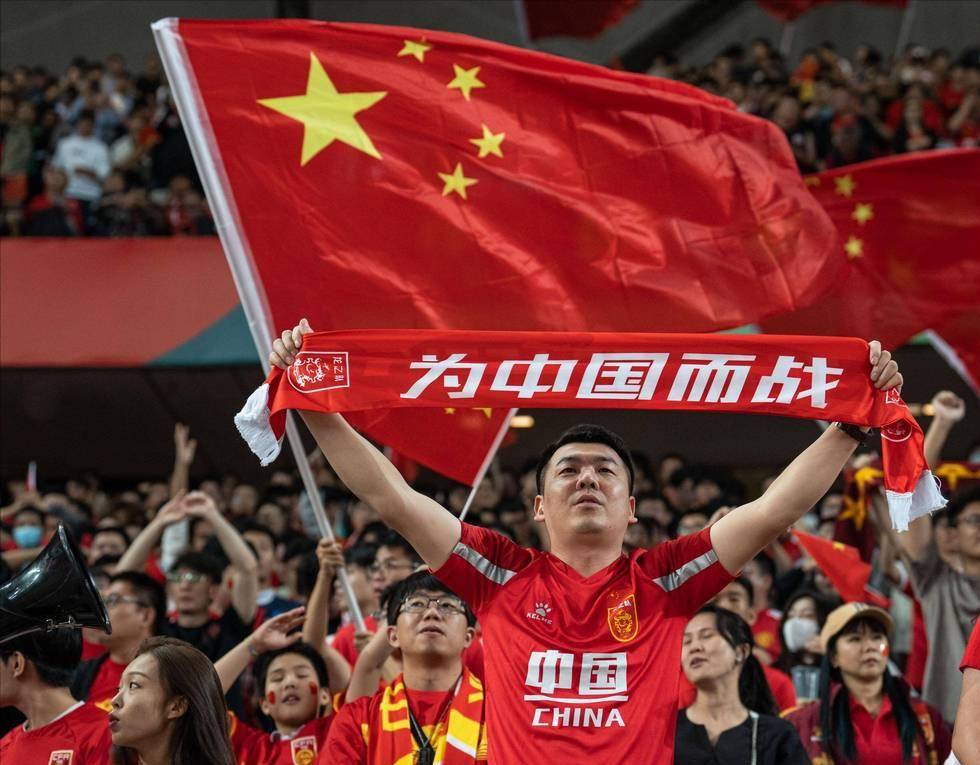- 主要受益者:非洲、亚洲、OFC、CONCACAF中游队;赞助与转播方(更多场次、更多市场)。
- 稳态赢家:南美、欧洲一流队出线更稳,种子路径更顺,但后段对手类型更杂、准备更复杂。
- 潜在受损:传统边缘强队的“稀缺性溢价”下降;小组赛含金量与单场紧张度被稀释。
2026特别因素(美加墨)
- 跨国举办增加旅行管理难度;主场效应与适应性差异扩大。
- CONCACAF整体表现可能被主场红利抬升,全球评价体系(FIFA积分、Elo)或短期波动。
商业与制度外溢
- 收入与覆盖面显著扩大,推动更多基础设施与青训投入。
- 预选赛制度将随名额调整更“拉长、分档、分级”,地区内强队更易轮换练兵。
残余风险与不确定
- 赛历拥堵与球员伤病;赛事质量管理(弱队大比分、无谓消耗)。
- 第三名出线规则引导的“保守化”是否影响观赏度,需首届实证。
需要哪个角度展开:1) 各洲预选赛路线与出线线预测 2) 强队夺冠路径与种子分档模拟 3) 某支球队(如中国/日本/摩洛哥/美国)在扩军下的机会评估 4) 商业与转播/城市承载影响。